
Common welding rods are essential consumables in industrial fabrication, maintenance, and repair. For importers, distributors, and professional contractors, understanding the different types and uses of common welding rods allows you to ensure reliable welds, reduce defects, and improve operational efficiency. Moreover, supplying the right rods strengthens buyer confidence and supports repeat orders.
Industrial projects require rods that match base metals, environmental conditions, and mechanical requirements. Therefore, providing high-quality rods along with detailed technical guidance enables buyers to achieve consistent results, minimize rework, and optimize production timelines.
Key types of common welding rods
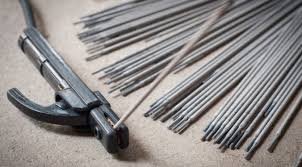
Common welding rods are categorized based on flux coating and intended applications:
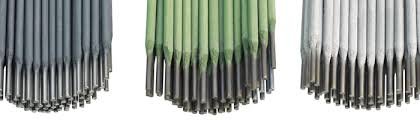
- Rutile-coated rods – These provide a smooth arc, easy slag removal, and excellent bead appearance. They perform well in general workshop fabrication and light-to-medium repair work.
- Basic-coated rods – Low-hydrogen rods with high tensile strength, ideal for structural welding and heavy-load projects. They help minimize cracking and ensure long-term joint integrity.
- Cellulosic rods – Known for deep penetration, they excel in outdoor applications, pipelines, and field maintenance where conditions are challenging.
- Acid-coated rods – Provide clean, smooth welds suitable for applications requiring visual precision or minimal post-weld finishing.
Matching rods to industrial applications
Selecting the correct rod type is crucial for weld quality and mechanical performance. Carbon steel, low-alloy steel, and specialty metals each demand rods with specific composition and flux characteristics. Consequently, buyers using the right rods experience fewer defects, improved structural integrity, and reduced downtime.
Providing technical guidance alongside high-quality rods allows professional users to achieve precise, defect-free results in all projects.
Performance factors and operational efficiency
Common welding rods are valued for several performance indicators:
- Arc stability ensures consistent bead formation and minimizes spatter.
- Mechanical properties, including tensile strength, elongation, and toughness, meet industrial standards.
- Proper heat control prevents distortion, warping, or weakening of the base metal.
By supplying rods optimized for these factors, distributors can enhance operational efficiency and reduce material waste for their clients.
Practical industrial uses
Common welding rods support a wide range of industrial applications:
- Structural steel frameworks and fabrication
- Repair of agricultural and industrial machinery
- Pipeline construction and maintenance
- Outdoor field welding and infrastructure projects
These versatile applications create stable, recurring demand for distributors and importers.
Bulk procurement advantages
B2B buyers benefit from bulk purchasing, which reduces per-unit costs, ensures uninterrupted supply, and simplifies inventory management. Therefore, offering multiple rod types in bulk supports distributors serving numerous projects simultaneously.
OEM and ODM opportunities
OEM supply allows electric welding rods to be marketed under a buyer’s own brand, increasing recognition and trust. Additionally, ODM customization provides flexibility in coatings, flux formulations, or packaging to meet project-specific or regional requirements.
These options enhance adoption rates, reduce complaints, and strengthen long-term client relationships.
Safety and technical guidance
Using welding rods safely requires proper ventilation, fume extraction, and protective equipment. Providing clear, actionable guidance helps buyers reduce workplace hazards and comply with safety standards. Moreover, this support positions your business as a professional and trustworthy supplier.
Long-term industrial relevance
Common welding rods remain indispensable across construction, maintenance, manufacturing, and agricultural projects worldwide. Offering reliable, high-quality rods ensures repeat orders and long-term relevance in B2B markets.
Strategic value for professional buyers
Supplying common welding rods demonstrates technical expertise, operational reliability, and problem-solving capability. Providing consistent quality, practical guidance, bulk availability, and OEM/ODM options strengthens buyer confidence and promotes repeat business.
Final value proposition
Common welding rods deliver dependable, high-performance welding solutions for industrial projects. By offering rods with verified quality, practical guidance, and scalable supply options, you help buyers achieve strong, defect-free welds, improve operational efficiency, and build long-term B2B partnerships. Consequently, your business becomes a trusted industrial supplier that adds measurable value to professional clients.