
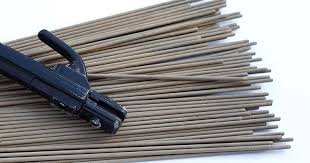
Electric welding rods are a critical component in industrial SMAW (Shielded Metal Arc Welding) operations. For importers, wholesalers, and distributors, understanding electric welding rods is not merely technical knowledge—it is a strategic advantage. The right rods ensure strong, reliable welds, consistent arc performance, and reduced operational risk for professional clients.
Industrial applications demand rods that match metal type, environmental conditions, and mechanical requirements. By supplying high-quality electric welding rods along with detailed guidance, distributors empower buyers to achieve operational efficiency, reduce defects, and improve overall productivity.
Types and applications of electric welding rods
Electric welding rods can be classified by flux coating, mechanical properties, and intended applications:
- Rutile-coated rods: These provide a smooth arc, easy slag removal, and excellent bead appearance. They are ideal for general workshop fabrication, repair work, and moderate-precision welding.
- Basic-coated rods: Low-hydrogen rods designed for structural welding, offering high tensile strength, toughness, and minimal cracking risk. Perfect for load-bearing applications or heavy machinery fabrication.
- Cellulosic rods: Known for deep penetration and suitability for outdoor or field welding projects, especially pipelines and infrastructure maintenance.
- Acid-coated rods: Provide smooth welds with minimal spatter, often used in decorative or precise industrial applications.
Matching rods to base metals
Proper rod selection is vital for effective welding. Electric welding rods are primarily used with carbon steel, low-alloy steel, and occasionally specialty metals. Matching the rod to the base material ensures strong metallurgical bonding, reduces defects, and guarantees consistent mechanical performance.
For industrial B2B buyers, supplying rods designed for specific base metals prevents weak joints, lowers rework costs, and maintains operational reliability.
Arc stability and operational efficiency
Stable arc performance is essential for uniform penetration, minimal spatter, and consistent bead formation. Reliable rods enhance operator efficiency, reduce wasted materials, and shorten project timelines.
For distributors and importers, providing rods that deliver predictable arc behavior strengthens professional trust and encourages repeat bulk orders.
Mechanical properties and performance expectations
Electric welding rods must meet industry standards for tensile strength, elongation, and impact toughness. Buyers often require rods that maintain these properties across batches to ensure uniform results in structural, repair, or maintenance projects.
Supplying rods with certified mechanical performance improves project quality and reduces liability for end users.
Practical industrial applications
Electric welding rods are widely used in:
- Construction frameworks and structural steel fabrication
- Agricultural machinery and equipment repair
- Pipelines, tanks, and industrial infrastructure maintenance
- Field welding operations in outdoor environments
Their versatility guarantees consistent demand for distributors serving multiple markets.
Bulk supply advantages
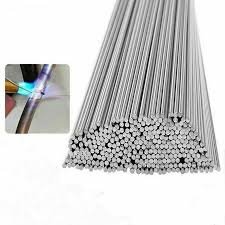
Professional buyers benefit from bulk procurement, which reduces per-unit cost, stabilizes supply, and ensures uninterrupted project timelines. Importers and wholesalers gain operational efficiency while meeting client expectations reliably.
OEM and ODM opportunities
OEM options allow electric welding rods to be marketed under your clients’ brand, enhancing recognition and credibility in B2B networks. ODM solutions enable customization of coatings, flux formulations, or packaging to suit local project requirements, regulatory standards, or environmental conditions.
These options increase adoption, reduce complaints, and strengthen long-term relationships with professional buyers.
Safety and operational guidance
Using electric welding rods safely requires proper ventilation, fume extraction, and protective equipment. Suppliers providing detailed technical guidance and application instructions add practical value to industrial clients, reduce workplace hazards, and support regulatory compliance.
Long-term industrial relevance
Electric welding rods remain indispensable across construction, industrial maintenance, infrastructure development, and agricultural projects worldwide. Their combination of reliability, versatility, and cost-effectiveness ensures long-term demand in B2B markets.
Strategic value for B2B buyers
Providing electric welding rods with clear guidance, consistent quality, and scalable supply models positions your business as a professional, solution-oriented supplier. Distributors and importers can confidently supply clients with rods that reduce operational risk, improve weld quality, and support efficient industrial operations.
Final value proposition
Electric welding rods are not just consumables—they are the foundation of reliable, high-quality welding operations. For professional buyers, having access to certified, versatile rods, coupled with technical guidance and OEM/ODM flexibility, ensures strong, defect-free welds, operational efficiency, and long-term B2B growth. By supplying these solutions, your business strengthens trust, builds repeat business, and becomes a valued industrial partner in diverse markets.